Factors to Consider When Selecting Drywall Thickness
Choosing the right drywall thickness is crucial for the success and durability of your construction project. The proper thickness ensures structural integrity, soundproofing, and fire resistance. It is important to consider several factors such as room type, installation requirements, and budget when selecting drywall. Understanding these aspects will help you make an informed decision that suits your specific needs.

Understanding Different Drywall Thicknesses
Drywall comes in various thicknesses, each serving different purposes. The most common types include 1/4-inch, 1/2-inch, and 5/8-inch. Each thickness has its unique application, offering varied benefits depending on the project’s demands. Knowing the characteristics of each type can assist you in making an optimal choice for your space.
Common Applications for Drywall Thickness
The 1/4-inch drywall is typically used for curved surfaces or as a double layer over existing structures. On the other hand, 1/2-inch drywall is standard for walls and ceilings in residential spaces, providing adequate strength and insulation. For enhanced soundproofing and fire resistance, 5/8-inch drywall is preferred, often utilized in commercial buildings and shared walls. However, choosing the appropriate drywall thickness depends not only on construction needs but also on ensuring effective drywall installation.
Key Factors Influencing Drywall Selection
Several factors influence which drywall thickness you should select:
- Project Type: Residential projects often use 1/2-inch drywall, whereas commercial settings might require thicker options.
- Budget: Thicker drywall generally costs more due to additional materials needed.
- Building Codes: Ensure compliance with local building codes which may dictate minimum thickness levels.
- Environmental Conditions: Areas prone to moisture or acoustical concerns may need specialized drywall.
Challenges in Choosing the Right Drywall
Selecting the wrong drywall thickness can lead to several issues, including inadequate support and increased noise transmission. Homeowners and builders often face challenges balancing cost efficiency with performance needs. Furthermore, improper selection might result in failing to meet local building regulations, leading to potential legal complications.
Tips for Successful Drywall Installation
Ensuring successful drywall installation involves adhering to best practices tailored to your chosen thickness:
- Consult with professionals who can assess your project’s specific needs.
- Consider using insulated drywall for areas requiring extra noise reduction.
- Follow manufacturer guidelines to maximize the material’s benefits.
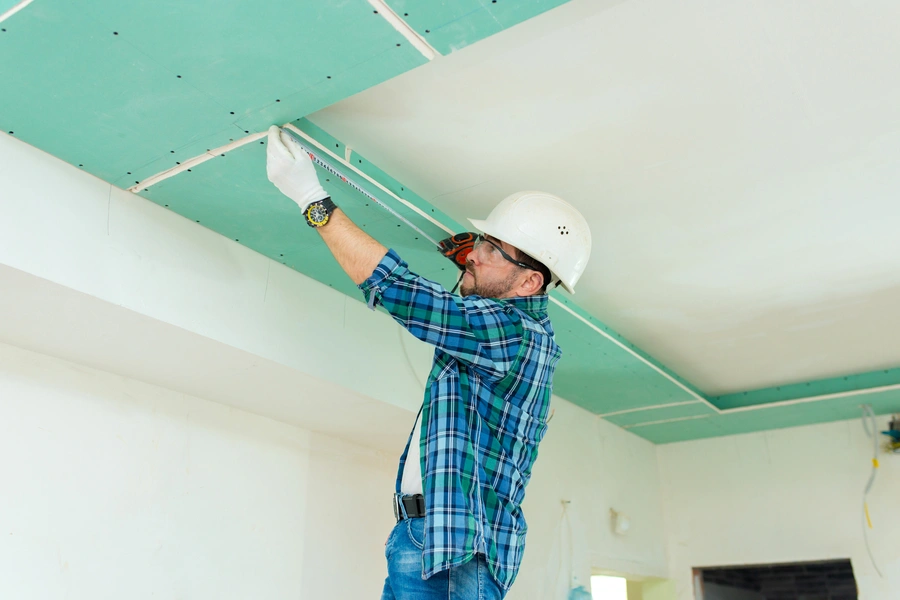
- Ensure all measurements are precise before cutting and fitting the panels.
Cost Considerations for Your Project
The cost of drywall varies based on thickness, brand quality, and additional features like mold resistance. While it’s tempting to opt for thinner options to save money, remember that investing in the right thickness can prevent future expenses related to repairs or replacements. Calculate overall project value by considering longevity and performance against initial expenditures.
Conclusion: Make an Informed Choice With Expert Advice
Making an informed choice about the right drywall thickness can significantly impact the outcome of your project. Consider all relevant factors-from technical specifications to environmental considerations-to ensure optimal results. Consult with experts at Gray Interior Construction LLC to guide you through the selection process. Our team provides exceptional service throughout Lithonia, GA. Call us today at (678) 453-8242 to get started on your project with confidence.